fidari

Navigation infrastructure that scales with you

One platform to standardize navigation across every site, automate documentation, capture billing revenue, and turn care coordination into a strategic asset.

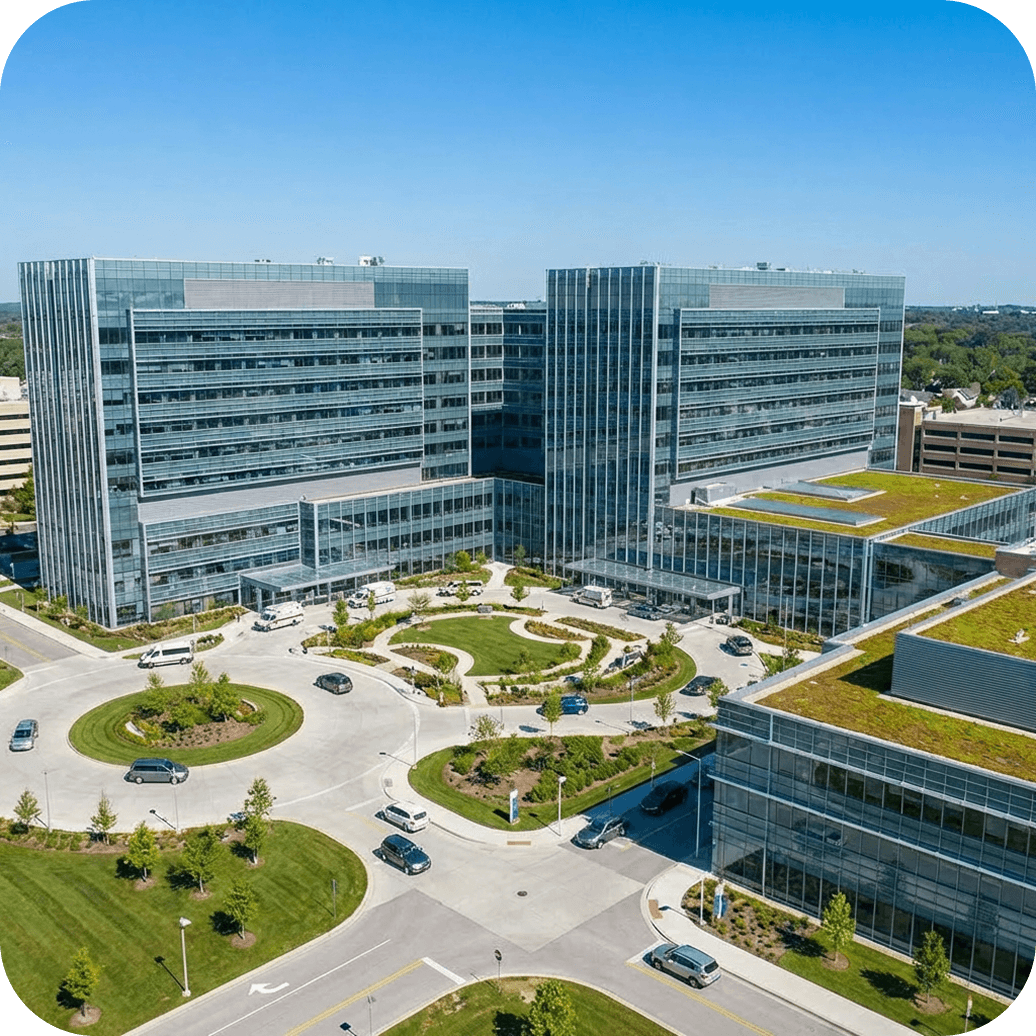
Modern health system campus with a sprawling medical center and landscaped grounds

The challenge of system-wide navigation

Health systems know navigation matters for quality, retention, and reimbursement. But standardizing it across dozens of sites, hundreds of staff, and multiple EHR instances? That's where it breaks down. Manual processes don't scale. Documentation is inconsistent. Revenue gets left behind. And when navigators leave, their knowledge walks out with them.

2026 redefined oncology navigation

Three independent regulatory changes made navigation a billable, measurable, and required service. Most health systems have not operationalized any of them.

  • CMS principal illness navigation

    Navigation is now reimbursable. Oncology is the highest-volume qualifying condition. Navigator and peer-specialist time is billable, but only when documented to CMS specifications.

  • Commission on Cancer standards

    The CoC's 2026 standards require structured patient navigation documentation across all accredited programs. Systems without it face accreditation risk at their next review.

  • Women's preventive services initiative

    The WPSI guideline adds navigation to the women's preventive services framework, covered without cost-sharing. The first federal endorsement of navigation as a core preventive service.

How Fidari operationalizes all three

Standardize navigation at scale

Fidari unifies how navigation is delivered across every site, service line, and role. One workflow, one documentation standard, one source of truth. It works the same whether you operate a single community hospital or a multi-site cancer network.

Let your teams practice at the top of their license

Navigators, social workers, and care coordinators spend their time on patients, not paperwork. Fidari automates documentation, closed-loop referral tracking, and billing capture so clinical staff can focus on the work that requires their expertise.

Turn navigation into a revenue line

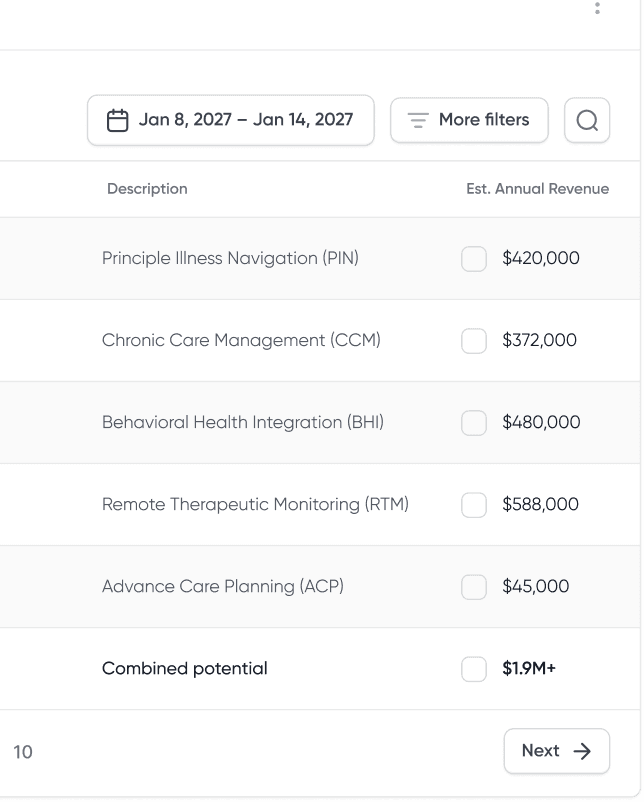
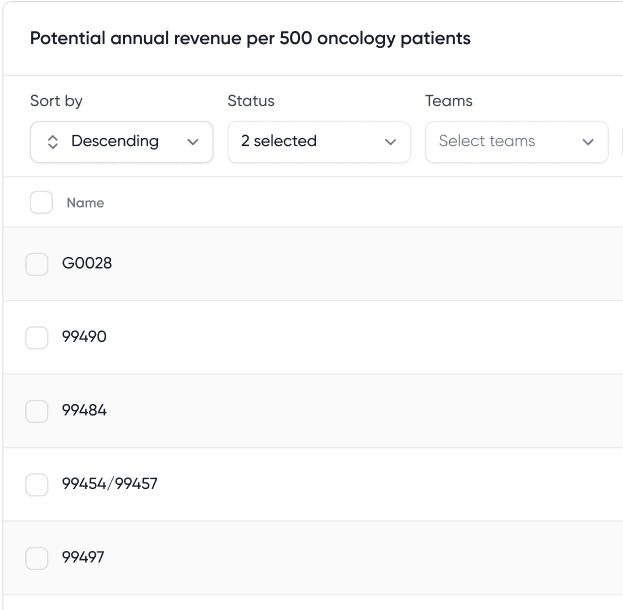
Fidari routes Medicare reimbursement (PIN, CCM, PCM, RPM) back to your health system. A 500-patient cohort generates $1.9M or more per year in navigation and care management billing. Your navigation department stops being a cost center and starts contributing margin.

Capture the data that defines your patient population

Every navigator touch, ePRO response, social determinant, and referral outcome is structured and reportable. Health systems use Fidari data to understand their communities, map patient journeys, improve outcomes, and make the case for expanded oncology services.

Outreach that reaches every patient. In their language. On every channel.

Care management check-ins, risk-based outreach, screenings, post-discharge follow-ups, and appointment reminders. Fidari calls and texts every patient on your list and acts on the response.

Works with your EHR

Fidari connects via FHIR/HL7 to Epic, Cerner, and other major platforms. Structured data flows both directions. No rekeying, no 18-month IT projects. Most health systems are live in 8–12 weeks.

  • FHIR R4 and HL7v2 support
  • Bidirectional data sync
  • SOC 2 Type II compliant
  • BAA included

Capture the revenue you've already earned

Your navigators are doing the work. Your billing team just can't document it consistently—or at all. Fidari automatically logs time, matches activity to CMS-approved codes, and generates audit-ready documentation.

Estimates based on CMS fee schedules and typical navigator caseloads. Actual revenue varies by payer mix, patient volume, and documentation compliance. All billing revenue stays with your system—Fidari provides the documentation layer with no rev-share model.

Let's map Fidari to your system

Every health system is different. We'll start with your workflows, your EHR, and your priorities. Then we'll show you exactly how Fidari fits.